
How to Stop Draughts Around Windows and Doors
Find out how much timber windows cost in Australia and what affects pricing, from window size and timber selection to glazing and installation.

09 November 2026
Why Are There Draughts Around Your Windows and Doors?
Draughts occur when outside air enters your home through gaps, poorly sealed joints or openings around windows and doors. They can make rooms feel uncomfortable in winter and allow conditioned air to escape, affecting indoor comfort throughout the year.
The good news is that identifying where air is entering can help you determine the right solution.
1. Check the Seals Around Frames
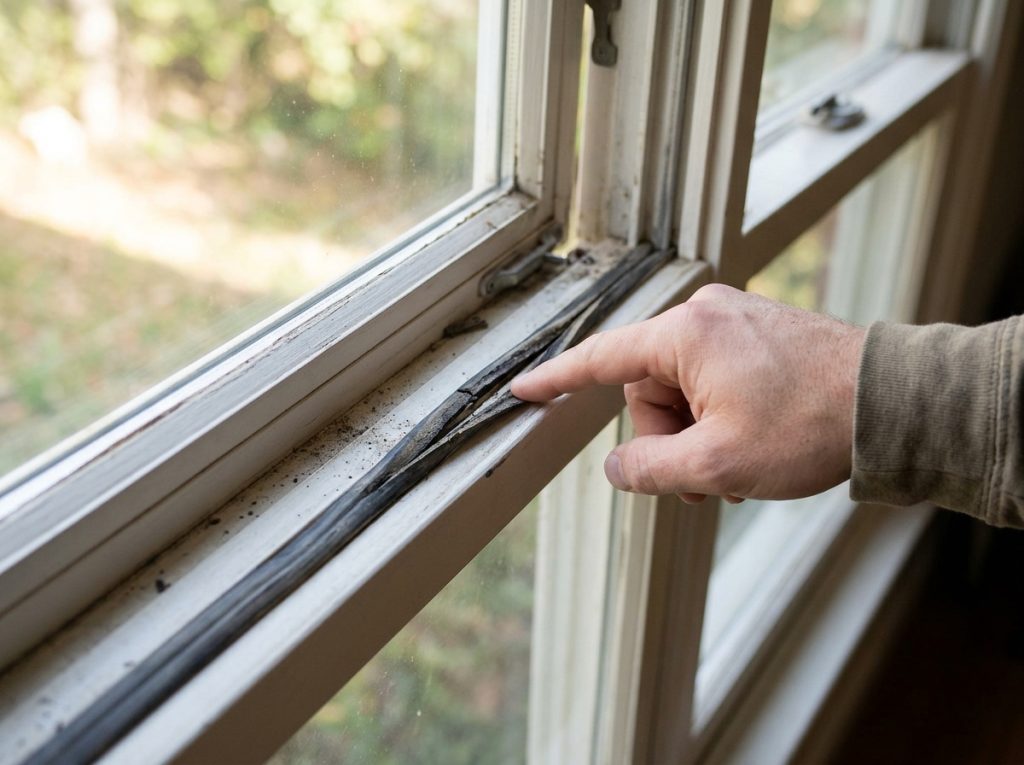
Weather seals help close the gaps between moving window or door panels and their frames. Over time, seals can wear, become compressed or deteriorate.
Inspect the seals for visible damage, gaps or areas where they no longer make consistent contact. Replacing worn seals with suitable products may help reduce unwanted airflow.
2. Inspect Gaps Around Windows and Frames
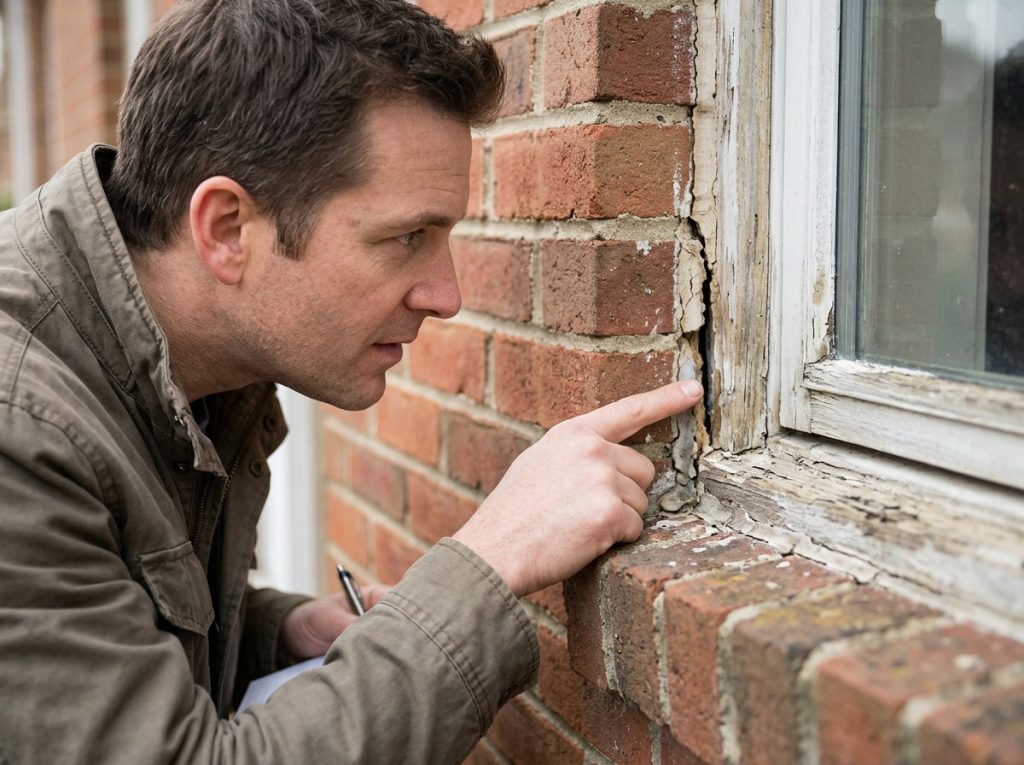
Air can also enter through gaps between the frame and the surrounding wall. These gaps may develop because of ageing sealant, installation issues or movement in the building.
Check the perimeter of the frame for cracked sealant or visible openings. The appropriate repair depends on the gap’s size, location and underlying cause. Larger gaps or signs of water entry may require professional assessment.
3. Check How Windows and Doors Close
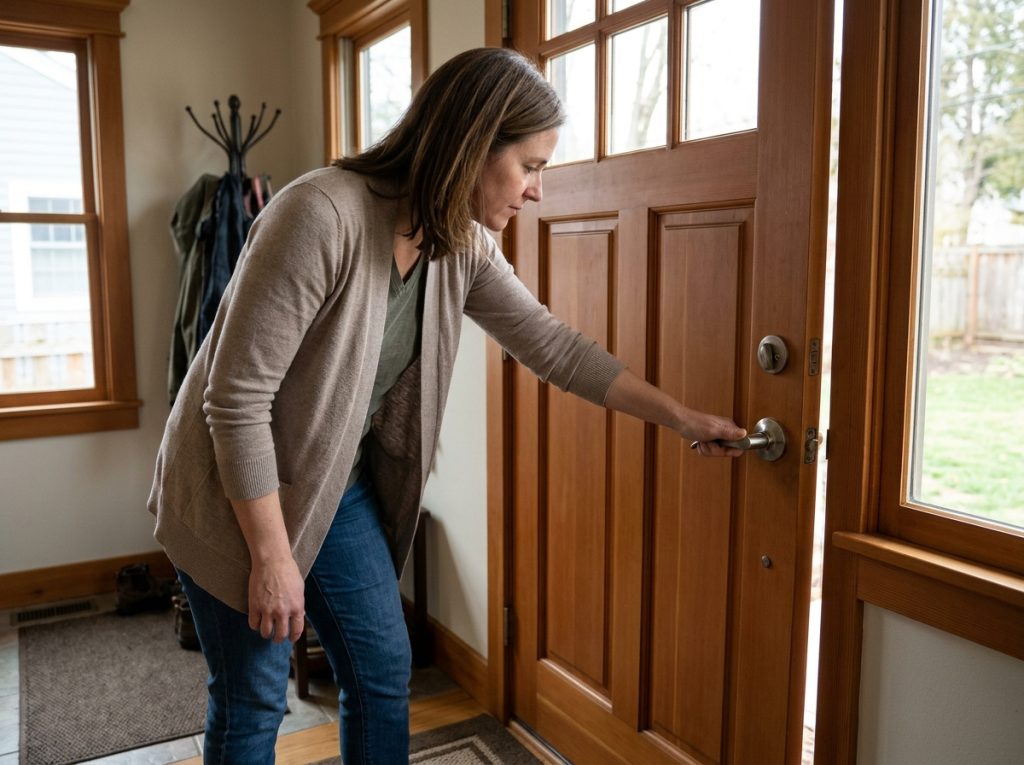
A window or door that does not close properly may leave small openings even when locked. Misaligned sashes, worn hinges, damaged hardware or an obstructed track can prevent a tight fit.
Check whether the unit closes evenly and the locking mechanism engages correctly. Avoid forcing it shut, as this may cause further damage.
4. Consider Glazing and Overall Window Performance
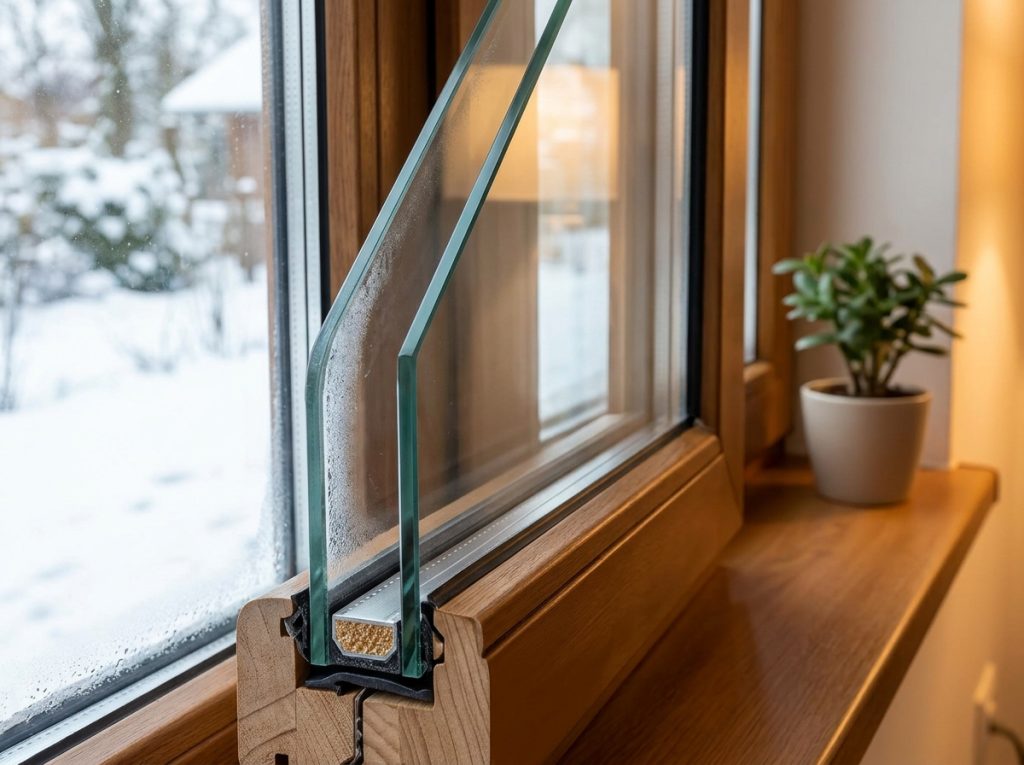
Not every cold spot near a window is caused by a draught. Glass can feel cold in winter, and air movement caused by temperature differences may be mistaken for outside air entering the room.
If your windows are older or perform poorly, consider whether improved glazing or replacement windows may be appropriate. Double glazing can help reduce heat transfer through glass, although the overall result also depends on frame design, seals, installation and the window’s specifications.
How Can You Check for Draughts?
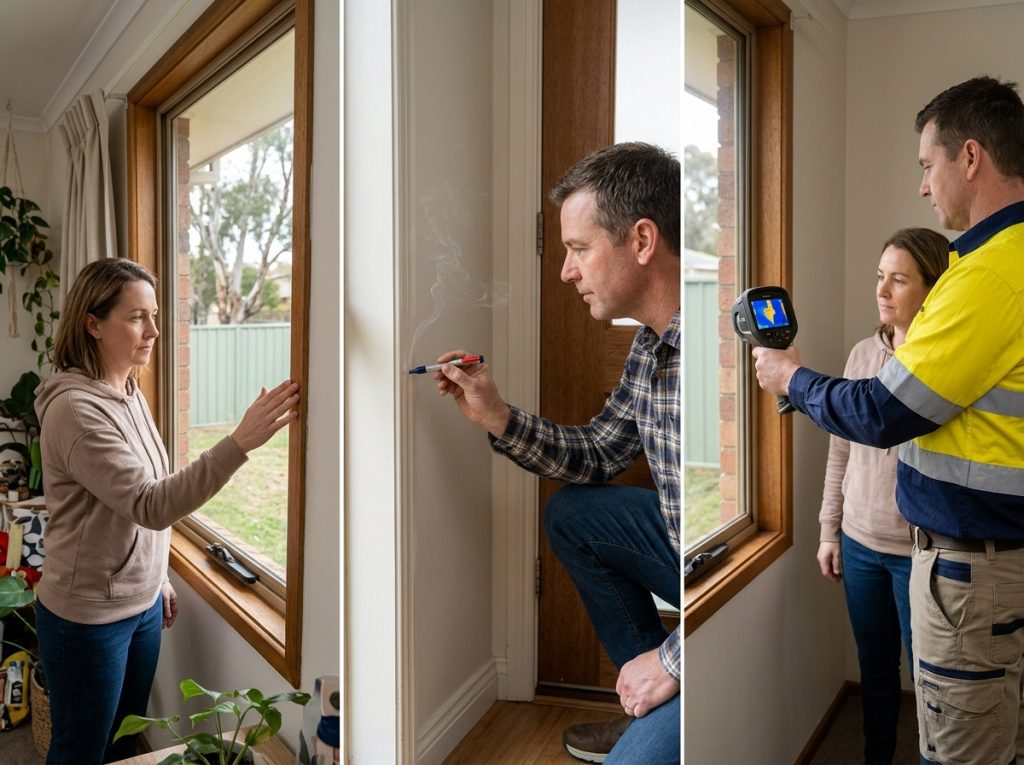
On a windy day, carefully feel around closed windows and doors for noticeable air movement. Pay particular attention to opening edges, corners and frame-to-wall joints.
A smoke pencil designed for draught testing can help identify airflow. Keep any testing equipment away from flames, and never use an open flame near curtains, timber finishes or other combustible materials.
If you cannot identify the source, a professional inspection can help distinguish between worn seals, installation gaps and other performance issues.
When Should You Consider Replacing Windows and Doors?
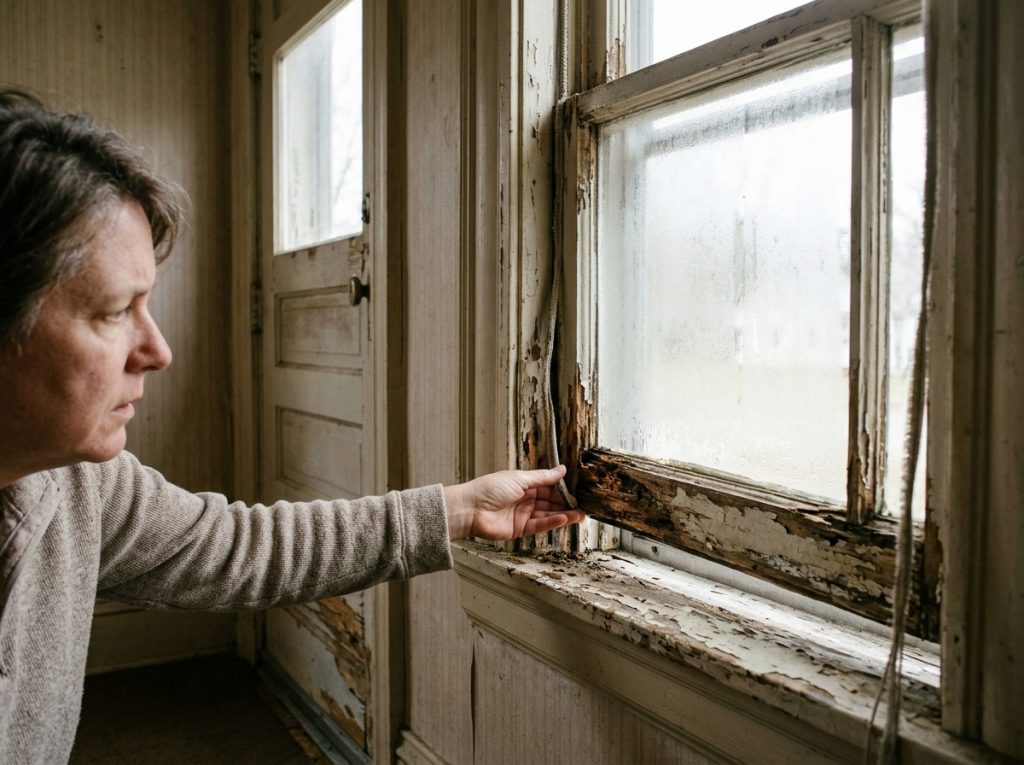
Minor draughts may be resolved by replacing seals, adjusting hardware or repairing gaps. However, if the frames are deteriorated, the units no longer close correctly or air leakage persists despite repairs, replacement may be worth investigating.
The best solution depends on the condition of the existing joinery, the building’s requirements and your goals for comfort and energy performance.
Improve Your Home's Comfort with Kilburn Joinery
Well-designed timber windows and doors can contribute to a comfortable, attractive home when properly specified, installed and maintained. Sealing, glazing, frame design and installation all play important roles in overall performance.
Kilburn Joinery specialises in timber windows and doors for Australian homes. If you’re planning a renovation or considering new joinery, contact the team to discuss options suited to your project.
Planning an upgrade? Get in touch with Kilburn Joinery to discuss your timber window and door requirements.