
The Custom Joinery Process: From Design to Installation
Understanding how bespoke window and door joinery progresses through design coordination, manufacture, and on-site delivery.
09 February 2026
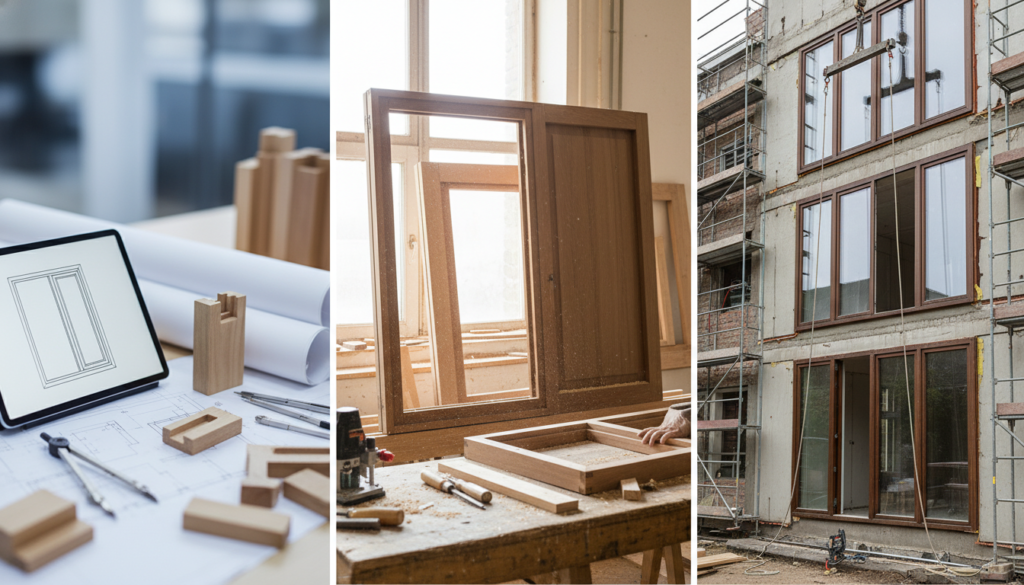
Custom timber windows and doors are not standalone products — they are coordinated building elements that must align with structure, finishes, performance requirements, and construction sequencing.
For projects in Australia where climate exposure, compliance, and durability are critical, a clearly defined joinery process ensures windows and doors perform as designed once installed.
Phase 1: Design Coordination Within the Building Envelope
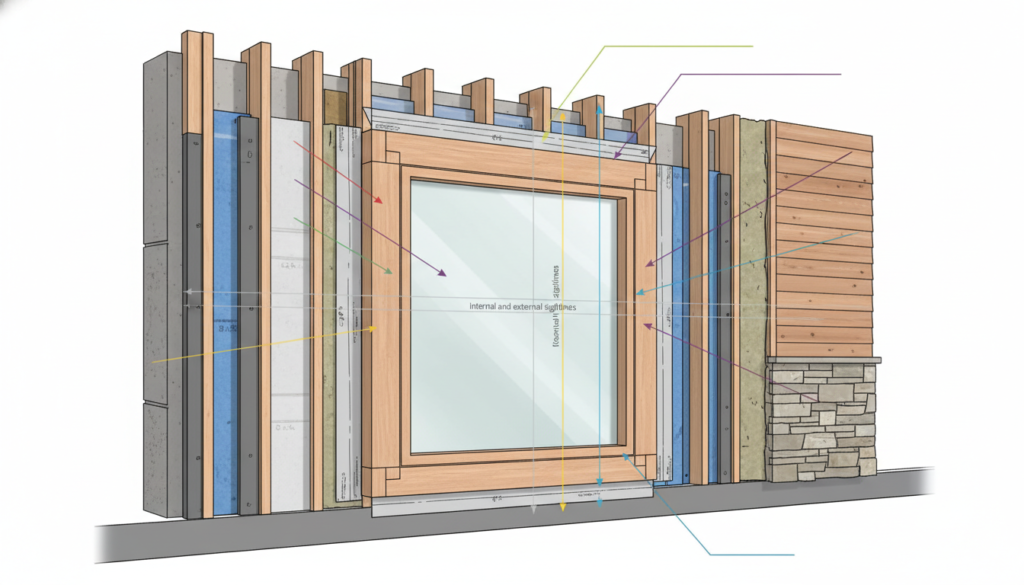
Custom joinery for windows and doors begins once architectural intent is established.
At this stage, joinery design is coordinated with:
Structural openings and tolerances
Wall build-ups and finishes
Waterproofing and flashing zones
Internal and external sightlines
This phase ensures window and door systems integrate cleanly into the building envelope — not retrofitted after construction decisions are made.
Phase 2: Performance Definition & Compliance Alignment
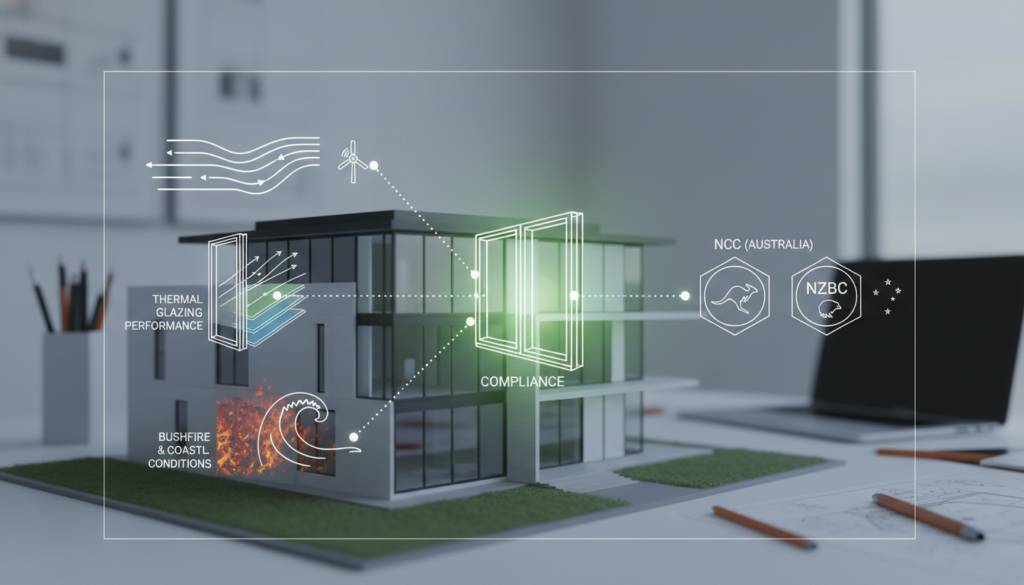
Before manufacturing, performance requirements are confirmed.
This includes consideration of:
Wind loading and exposure
Glazing performance
Bushfire (BAL) or coastal conditions (where applicable)
NCC requirements
Defining performance early prevents redesigns and ensures the joinery system meets regulatory and environmental demands.
Phase 3: Joinery Engineering & Detailing
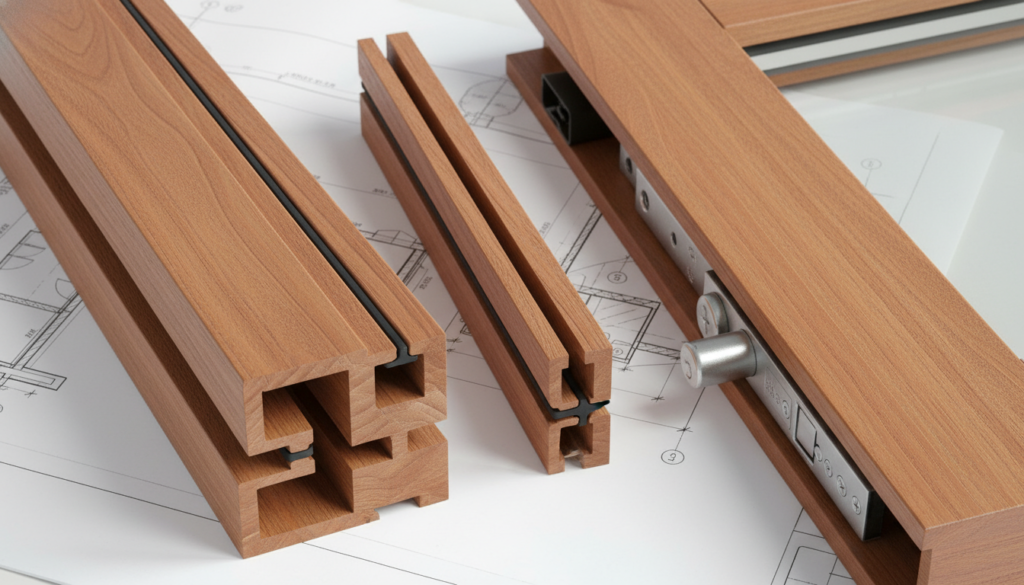
Once coordination and performance parameters are confirmed, detailed joinery engineering begins.
This phase focuses on:
Frame sections and profiles
Jointing methods
Drainage paths and sealing strategies
Hardware integration
The goal is to ensure windows and doors are not only visually aligned with the design, but mechanically sound and repeatable during manufacture.
Phase 4: Controlled Manufacturing of Window & Door Units

Manufacture is carried out in a controlled environment to maintain accuracy and consistency.
This phase includes:
Precision machining of timber components
Assembly of frames and sashes
Integration of glazing systems
Pre-fitting of hardware
Manufacturing consistency is essential for windows and doors that must operate smoothly and remain stable over time.
Phase 5: Delivery Sequencing & Installation Readiness
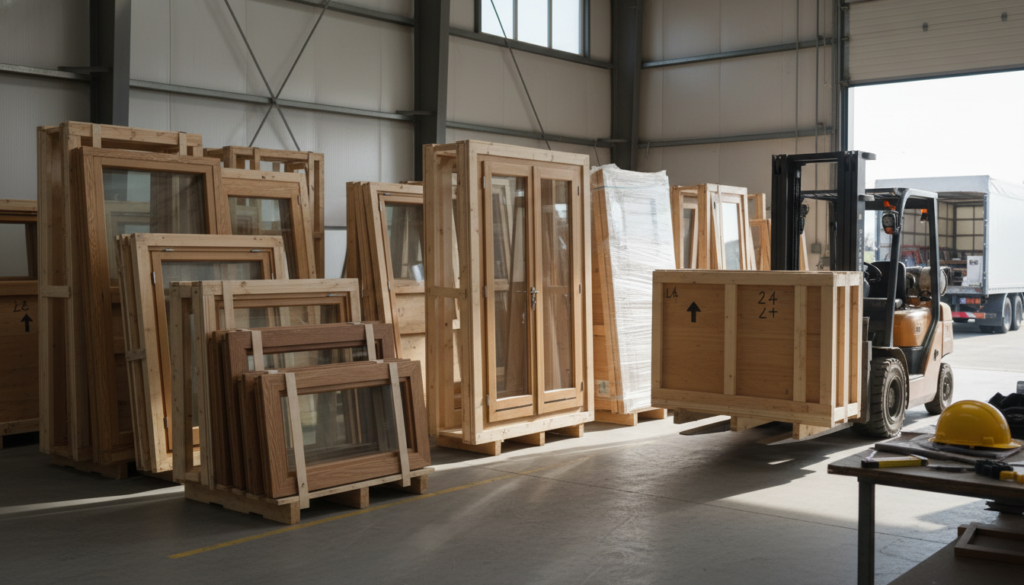
Rather than focusing on installation itself, this phase ensures the joinery arrives on site at the correct point in the build.
Key considerations include:
Coordination with construction timelines
Protection during transport and storage
Installation tolerances and fixing methods
Correct sequencing reduces site damage and ensures the joinery performs as intended once installed.
Why Process Matters for Windows and Doors
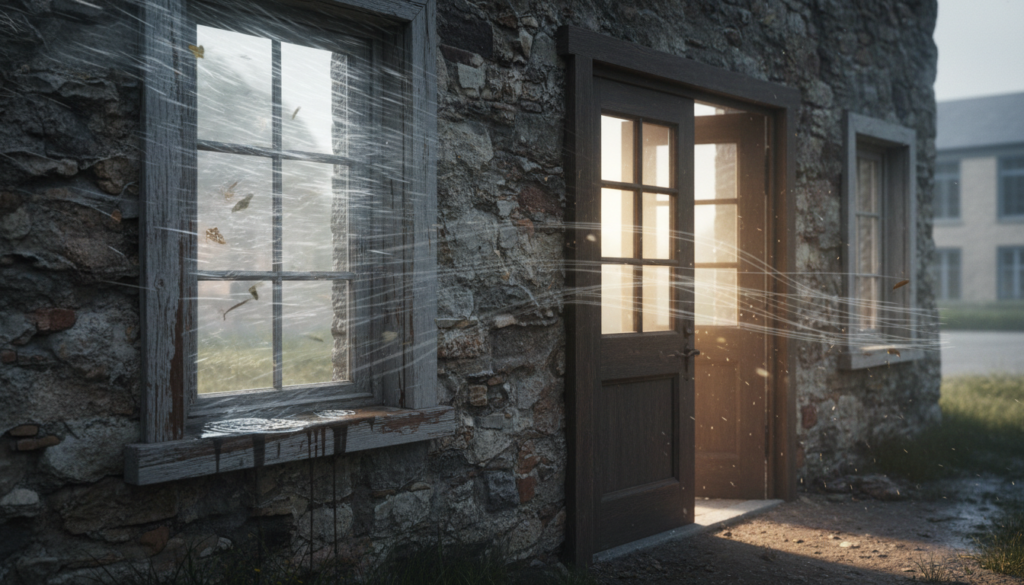
Unlike internal joinery, windows and doors are constantly exposed to weather, movement and daily operation. A process-driven approach reduces risk by ensuring every decision — from design coordination to delivery — supports long-term performance.
The success of custom timber windows and doors is defined by process, not just craftsmanship.
By managing design coordination, performance requirements, manufacturing accuracy, and installation readiness as a connected workflow, custom joinery delivers reliable, durable outcomes for architectural projects across Australia.
Source:
WoodSolutions – Timber Windows & Doors (Technical Design Guides Listings) | Your Home – Windows (Australian Government) | Australian Glass & Window Association (AGWA) | National Construction Code (Australia) | Stegbar – Selection Guides: Why Choose Timber Windows & Doors | Australian Timber Species for Windows & Doors (ASH)