
Why Choose Custom Joinery Over Off-the-Shelf Products
A closer look at how custom joinery delivers better fit, durability, and performance than standardised products.

13 February 2026
When it comes to windows and doors, the difference between custom joinery and off-the-shelf products isn’t just aesthetic — it directly affects performance, longevity, and how well a building responds to its environment.
For projects across Australia where climate conditions, architectural standards, and compliance requirements vary widely, custom joinery offers clear advantages that standardised products often cannot deliver.
1. Designed for Your Exact Opening
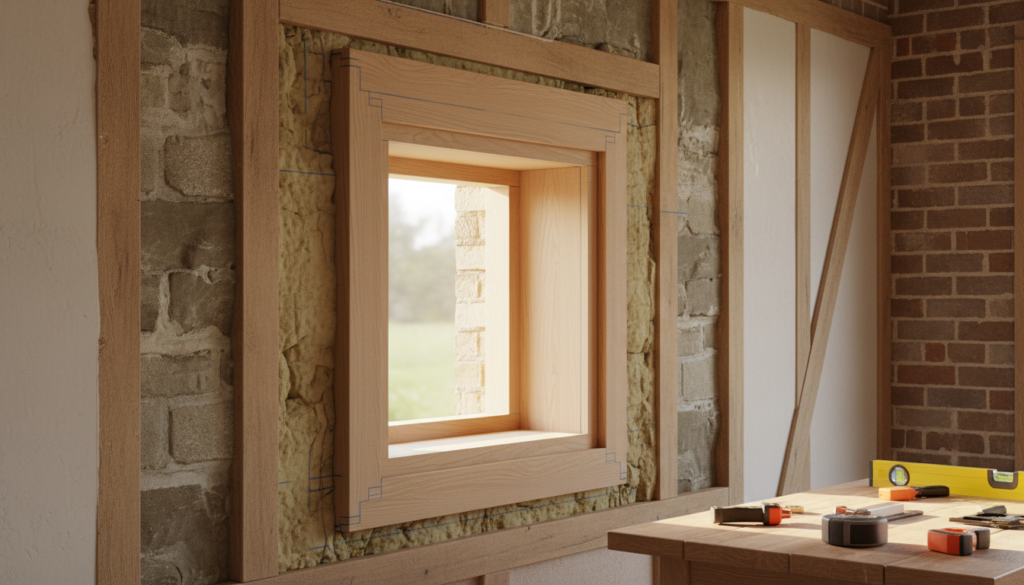
Off-the-shelf windows and doors are manufactured to fixed sizes. This often leads to compromises during installation — packers, fillers, or altered structural openings.
Custom joinery is designed and manufactured to:
Exact architectural dimensions
Specific wall thicknesses and junction details
Unique window and door configurations
This precision improves weather sealing, structural integrity, and overall finish — especially important in high-performance homes.
2. Better Performance in Local Conditions
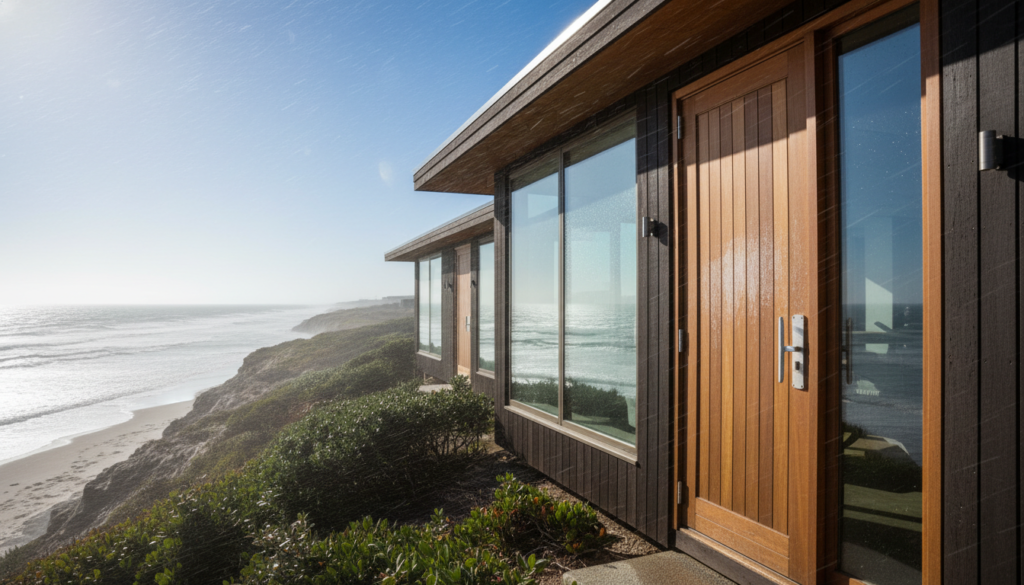
Australia present demanding environments:
High UV exposure
Coastal salt air
Strong winds and driving rain
Temperature extremes
Custom joinery allows performance requirements to be addressed at the design stage, including:
Timber species selection suited to climate exposure
Glazing choices for thermal and acoustic performance
Hardware rated for coastal or high-wind conditions
This ensures windows and doors perform as intended — not just at installation, but long-term.
3. Compliance Without Compromise
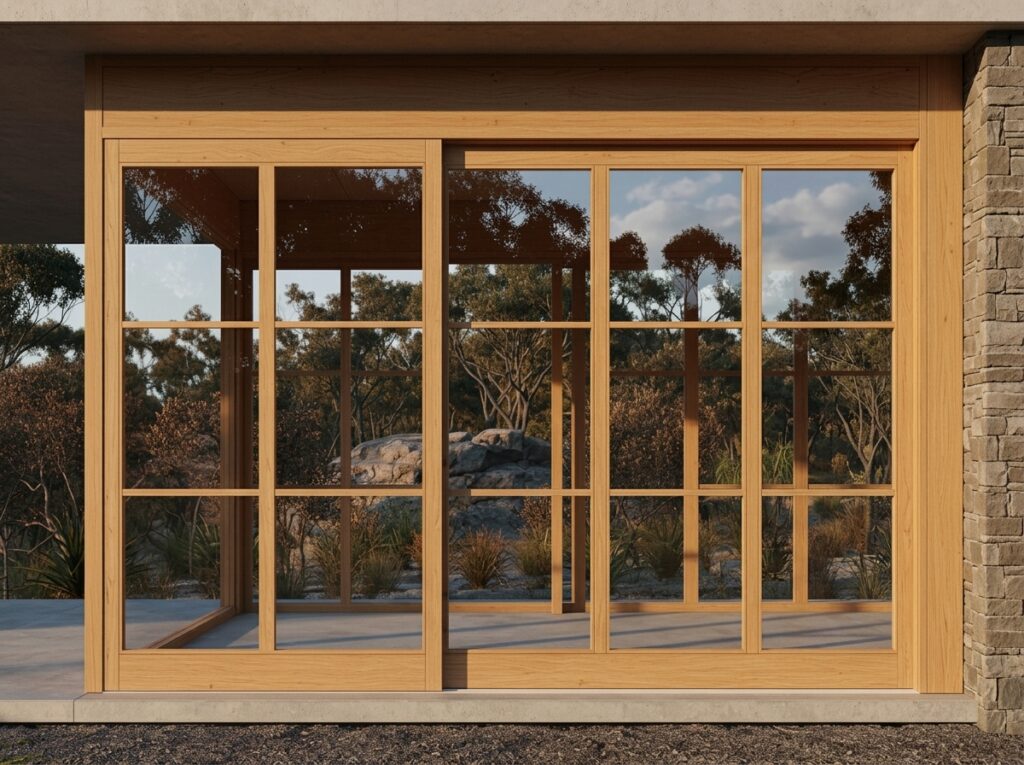
Custom joinery can be designed to meet:
Australian NCC Building Code requirements
Bushfire Attack Level (BAL) ratings
Energy efficiency and thermal performance targets
Rather than selecting the “closest available” product, custom solutions are built to comply without sacrificing design intent.
4. Design Freedom for Architects and Builders
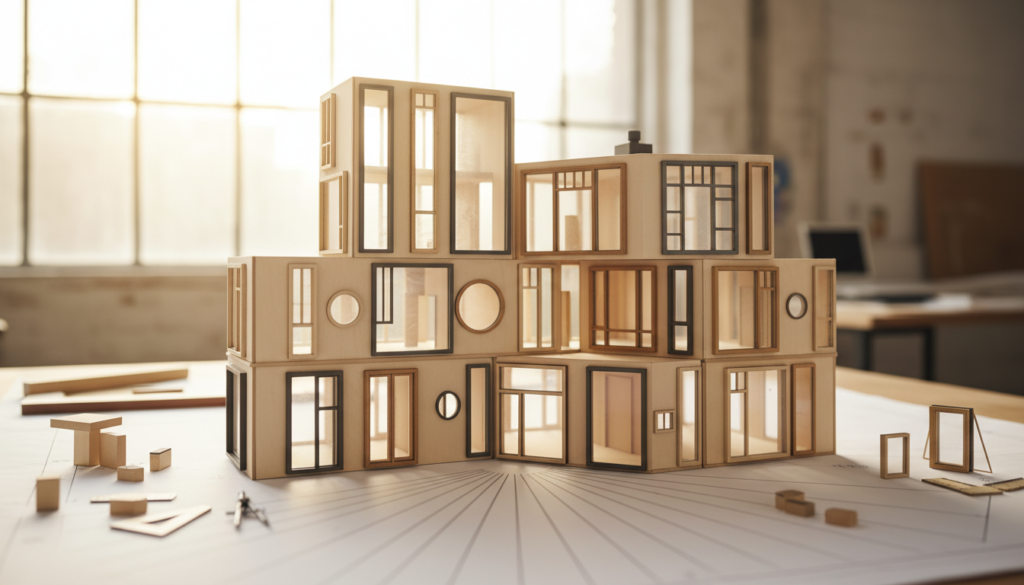
Standard products limit creativity. Custom joinery supports:
Large-format glazing
Slim profiles
Non-standard opening types
Integrated window and door systems
This flexibility allows architects and designers to maintain consistency across a project while achieving specific aesthetic and functional goals.
5. Long-Term Value Over Initial Cost
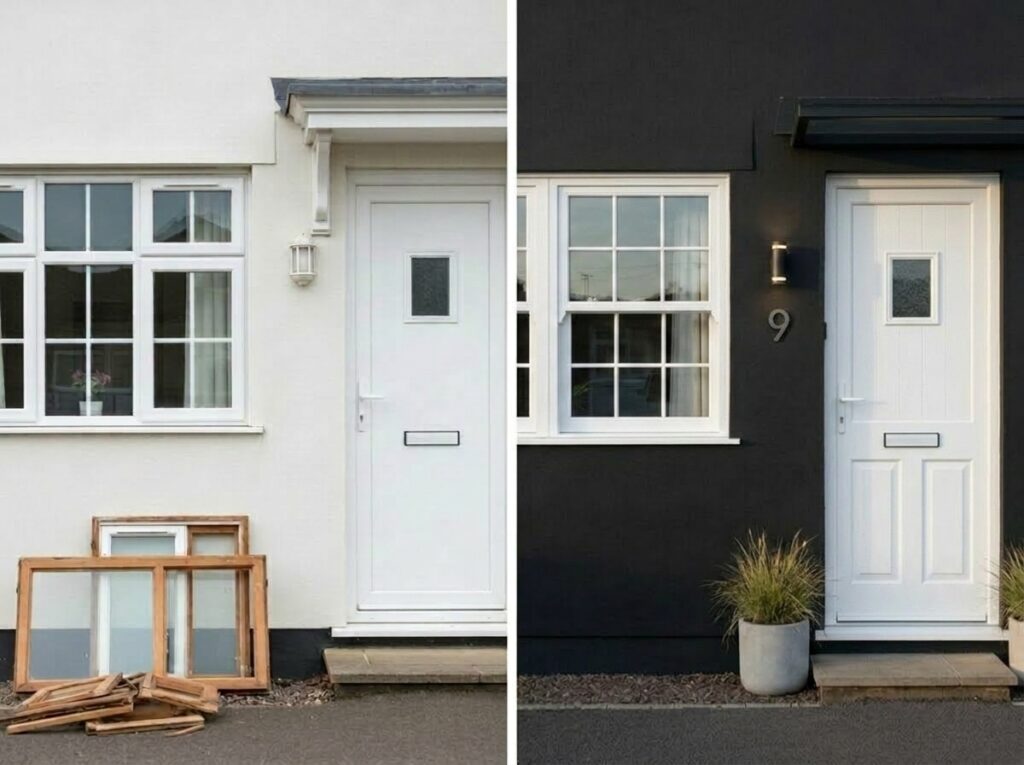
While off-the-shelf products may appear cheaper upfront, custom joinery often delivers better value through:
Reduced installation modifications
Improved durability and lifespan
Lower maintenance requirements
Better thermal performance and comfort
Over time, this translates to fewer replacements, repairs, and performance issues.
Built for the Project, Not the Shelf
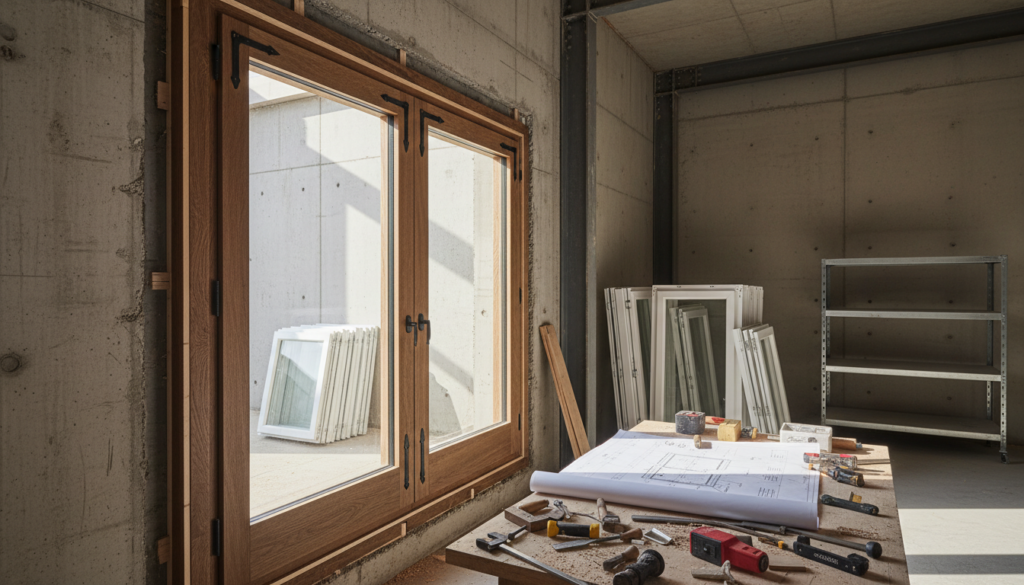
Custom joinery isn’t about luxury — it’s about fit, performance, and reliability. For windows and doors that respond to real site conditions, meet compliance requirements, and support architectural intent, custom joinery provides a level of control and quality that off-the-shelf products simply can’t match.
References and Further Reading